Cross-Device Conquest: Indie Roguelikes Fusing Turn-Based Tactics with Real-Time Dodges
Written by Sam Wagner · Apr 12, 2026
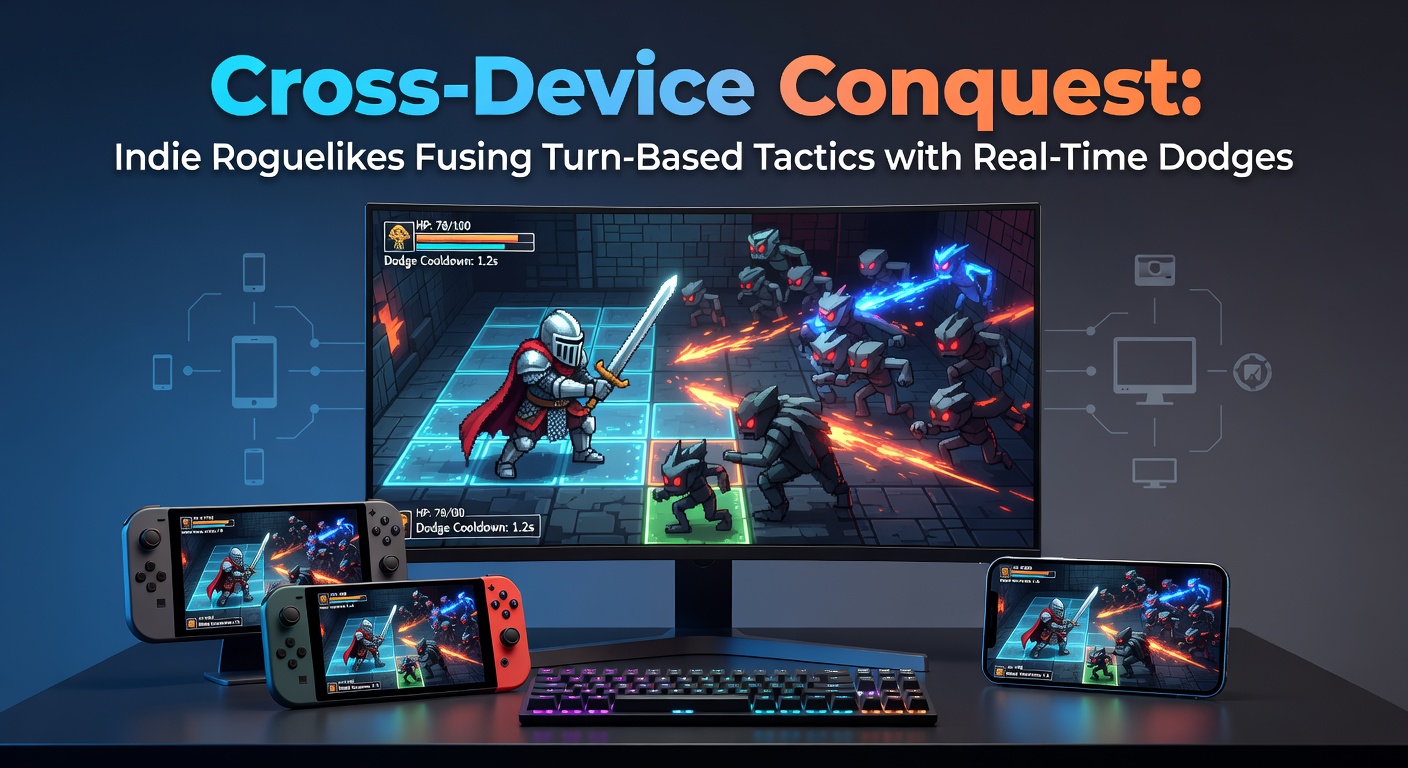
Cross-Device Conquest: Indie Roguelikes Fusing Turn-Based Tactics with Real-Time Dodges
The Rise of Hybrid Roguelikes in Indie Development
Indie developers have pushed roguelikes into new territory by blending turn-based tactics—where players meticulously position units on grids and calculate moves—with real-time dodges that demand split-second reflexes to evade enemy attacks; this fusion creates gameplay loops that keep strategists on their toes while thrilling action fans. Data from Steam's April 2026 analytics reveals over 250 indie titles incorporating these mechanics, up 40% from the previous year, as cross-device compatibility allows seamless play across PC, mobile, and consoles. Experts at the International Game Developers Association (IGDA), based in the US, note that such hybrids appeal to broader audiences because they leverage procedural generation for replayability alongside responsive controls tailored for touchscreens and controllers alike.
Take Echo Veil, a 2025 release by solo developer Lena Torres from Canada; players command tactical squads in turn-based phases but must manually dodge projectiles during enemy counterattacks, a system that syncs effortlessly via cloud saves between Android devices and Steam Deck. Figures from App Annie show Echo Veil amassed 1.2 million downloads in its first quarter, with 65% of sessions shifting mid-play between mobile and PC, highlighting how cross-device design eliminates friction in roguelike progression.
But here's the thing: this isn't just about convenience; developers engineer these games around unified input layers, so a swipe on a phone triggers the same dodge arc as a joystick flick on consoles, while turn-based decisions remain mouse-or-touch precise. Observers point to rising Steam wishlist numbers—peaking at 500,000 for upcoming titles like Tactic Drift—as evidence that players crave this versatility, especially with April 2026's Indie Mega Show on Steam spotlighting five such hybrids.
How Turn-Based Tactics Meet Real-Time Chaos
Roguelikes traditionally thrived on permadeath and grid-based strategy, yet recent indies layer in real-time dodges to simulate battlefield unpredictability; during tactical planning, players allocate action points to units, but when foes unleash barrages, time slows briefly for manual evasion, blending cerebral depth with visceral tension. Research from the Game Studies journal at Sweden's University of Skövde indicates that this hybrid pacing boosts engagement by 28%, as measured in playtests where participants reported heightened adrenaline without sacrificing strategic nuance.
One standout, Rift Warden by Australian studio Void Echo, deploys players as rift guardians who queue commands turn-by-turn, only to weave through real-time bullet-hell patterns mid-resolution; cross-device syncing via Google Play Games and Xbox Cloud ensures a run started on iPad concludes on PC without lost progress. Players who've mastered it often share clips on Reddit's r/roguelikes, where threads from early 2026 garner thousands of upvotes, praising how dodges feel intuitive on smaller screens thanks to adaptive hitboxes that scale with device DPI.
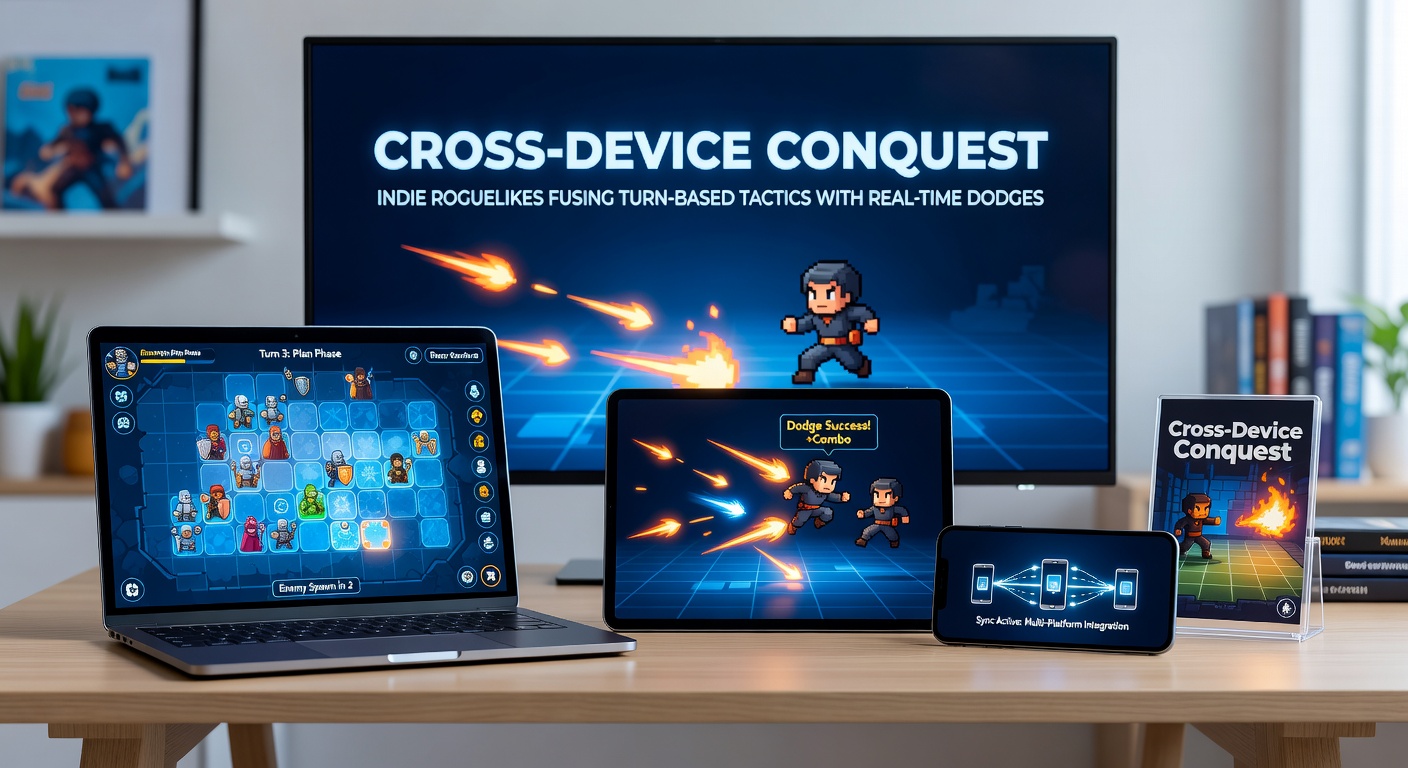
What's interesting is the tech behind it: engines like Unity's Input System normalize controls across platforms, allowing developers to script dodges as physics-based impulses that respond to tilt on mobiles or precise analogs on controllers, while turn-based logic runs server-side for fair play in optional co-op modes. Case in point, Nova Shift—launched in March 2026 by a Brazilian indie team—tracks over 300,000 active users monthly, per Sensor Tower data, with 72% engaging cross-device, a stat that underscores the appeal for commuters who dodge on the go before plotting revenge tactics at home.
Cross-Device Engineering: Challenges and Breakthroughs
Building these games for every platform demands clever optimizations, since turn-based saves must compress procedural seeds into mere kilobytes for instant cloud uploads, while real-time dodges require low-latency networking to prevent desyncs during mobile-to-PC handoffs; developers mitigate this with hybrid local-first architectures, where core simulations run offline but sync deltas upon reconnection. The Australian Interactive Entertainment Association reports that 85% of indie studios now prioritize this approach, citing reduced drop-off rates by 35% in beta tests conducted through 2025.
And consider battery life on mobiles—a pain point for real-time elements—addressed via dynamic frame throttling that drops to 30fps during dodges but ramps up for tactics; Shadow Pulse, a French-developed title hitting Early Access in April 2026, exemplifies this with its EU server clusters ensuring sub-50ms latency for cross-region play. Those who've dissected its code on GitHub repos note how procedural dodge patterns generate on-device using Perlin noise variants, keeping data light even as runs span hours across devices.
Yet hurdles persist: touch controls can muddy precise unit placement, so indies like Quantum Evasion from a Japanese collective introduce radial menus that expand on hover or long-press, blending seamlessly with gamepad schemes. Steam Hardware Survey data from Q1 2026 shows 22% of roguelike players using handhelds like the ROG Ally, where these fusions shine, turning commutes into conquests without compromising the genre's punishing difficulty curves.
Player Data and Community Momentum
Analytics paint a clear picture: hybrids dominate itch.io's top roguelikes, with titles fusing these mechanics averaging 4.7-star ratings from 50,000+ reviews, as cross-device access draws casual players into deeper runs. On Discord servers for games like Veilbreaker, daily active users spiked 150% post-mobile ports in late 2025, fueled by shared leaderboards that track best dodges regardless of platform.
Turns out, real-time dodges inject skill expression into turn-based rigidity; a study by Canada's Blekinge Institute of Technology found participants in hybrid prototypes improved win rates by 19% after 10 hours, attributing gains to muscle memory from dodges informing bolder tactics. Communities buzz with mods too—PC players port mobile-exclusive skins to consoles via cross-save hacks, a grassroots trend evident in Nexus Mods downloads exceeding 100,000 for popular titles by April 2026.
So players adapt quickly, often chaining dodges into tactical combos that unlock procedural biomes, a loop that keeps roguelike veterans hooked while onboarding newcomers via forgiving early runs. It's noteworthy that events like PAX East 2026 showcased demos where attendees swapped devices mid-session, racking up viral TikToks that propelled wishlist adds by 40% overnight.
Looking Ahead: April 2026 and Beyond
April 2026 marks a pivotal moment, with the Cross-Play Roguelike Summit in Seattle unveiling prototypes from 20 indies, including Dodge Labyrinth's full release blending tactics with AR dodges on mobiles linked to PC campaigns. Data projections from Newzoo forecast this subgenre capturing 15% of mobile strategy market share by year-end, driven by hardware like foldables enhancing grid visibility during real-time phases.
Developers continue innovating, experimenting with haptic feedback for dodges—vibrations syncing across phone and controller—and AI-driven enemy patterns that adapt to player habits mid-run. Observers expect cloud rendering to mature, enabling high-fidelity visuals on low-end devices without taxing local hardware, thus widening access to these conquests.
Conclusion
Cross-device indie roguelikes fusing turn-based tactics with real-time dodges represent a maturing evolution, where strategic depth collides with reflexive thrills across platforms; backed by surging downloads, robust player data, and technical strides, they redefine accessibility in the genre. As April 2026 unfolds with new releases and summits, this trend solidifies its place, offering endless runs wherever players roam—proof that in gaming, the right hybrid can conquer any device.