The Interplay of Random Seed Variations and Strategic Depth in Free Hybrid Titles for Diverse Platforms
Written by Ines Krause · Sep 26, 2026
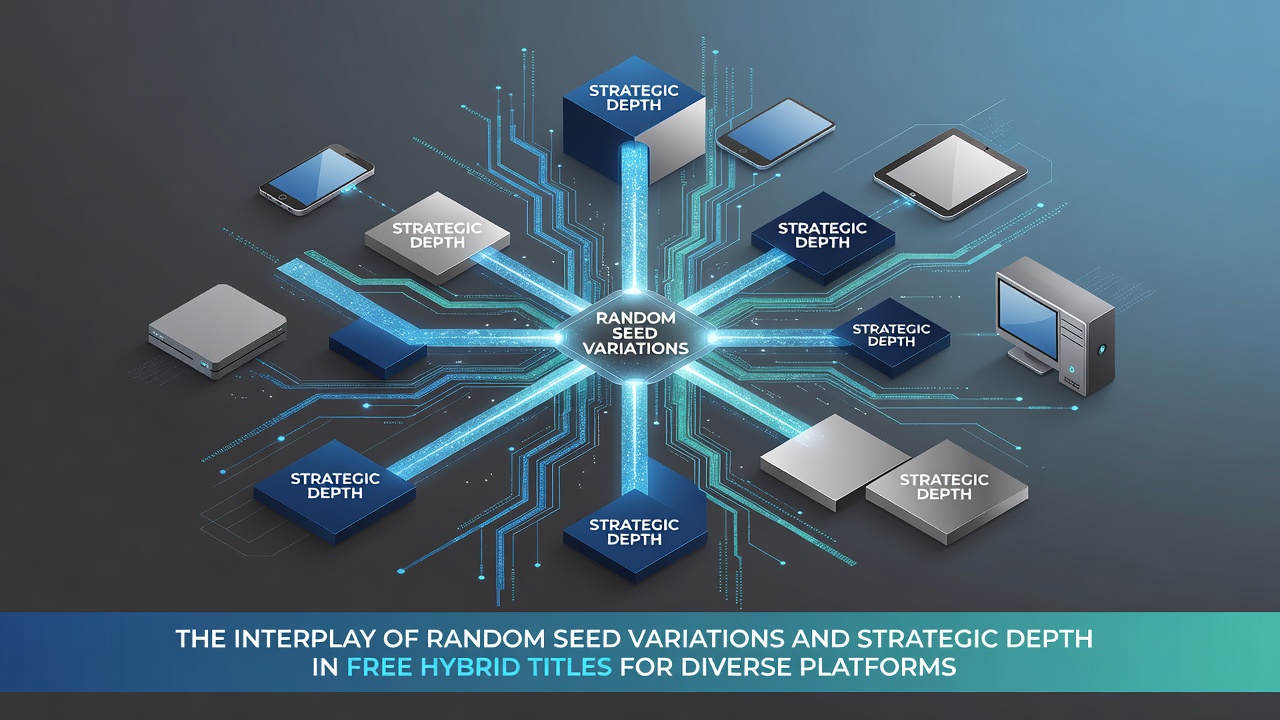
The Interplay of Random Seed Variations and Strategic Depth in Free Hybrid Titles for Diverse Platforms
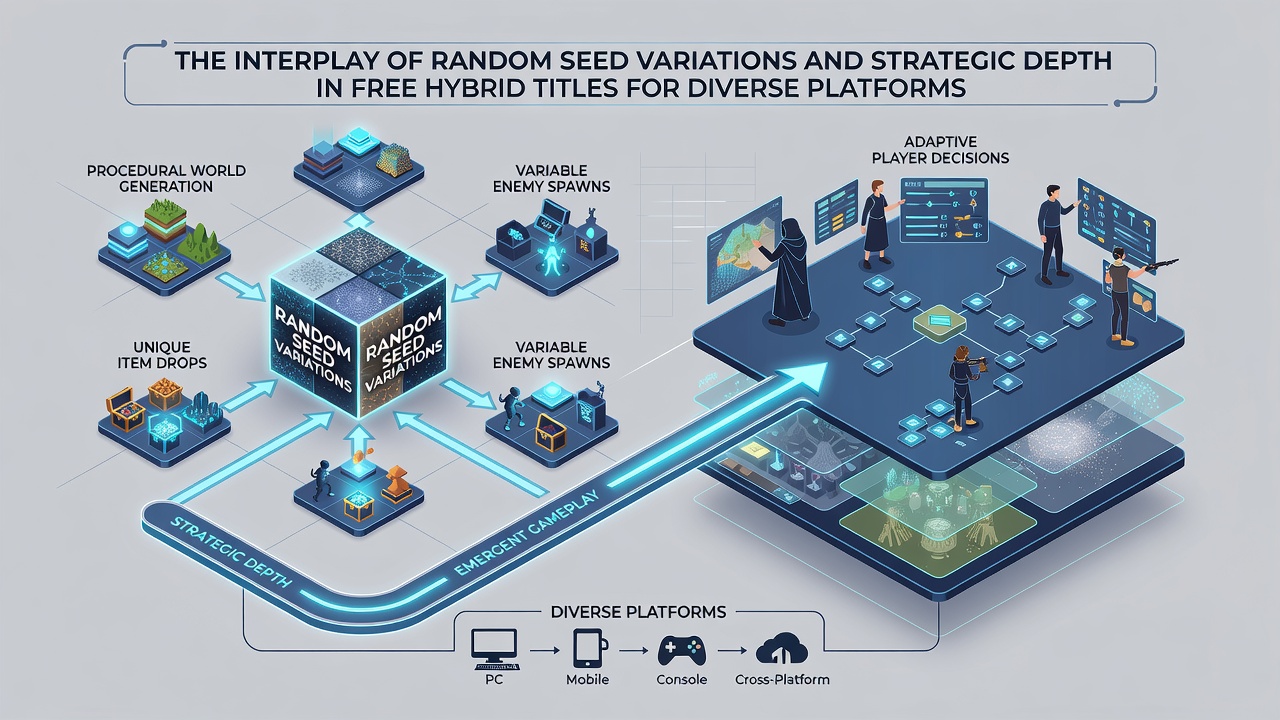
Random seeds function as the foundational numerical inputs that drive procedural generation in many free hybrid titles, and these values shape everything from level layouts to enemy behaviors while players navigate blended mechanics on both desktop and portable devices. Developers embed seeds into the core architecture so that each play session produces distinct configurations, yet the underlying rule sets remain consistent enough to reward repeated strategic planning across platforms.
How Seeds Generate Variation in Hybrid Mechanics
Hybrid games typically merge turn-based decision trees with real-time execution demands, and the seed value determines the initial state for algorithms that populate maps, distribute resources, and sequence events. A single integer change at the start can cascade into entirely different obstacle patterns or resource clusters, which forces players to adapt tactics without altering the fundamental systems. Data from industry tracking shows that titles using seeded generation maintain consistent engagement metrics when the same core loop transfers between PC and mobile versions, because the seed handling stays synchronized through shared code bases.
Strategic Depth Emerges from Controlled Randomness
Strategic layers deepen when players learn to read seed-influenced patterns and build contingency plans that account for multiple possible outcomes. In practice this means anticipating branches in resource chains or positioning sequences that survive several potential spawns, and observers note that such foresight separates novice runs from optimized paths in free downloads. What's interesting is how the same seed can produce opposite strategic priorities depending on whether a player favors aggressive positioning or defensive resource hoarding, yet both approaches draw from identical generation rules.
Platform-Specific Implementation Details
Cross-device titles maintain seed parity by storing generation values in cloud-synced profiles or local caches that update during session handoffs, and this approach prevents divergence when a user switches from a desktop session to a mobile continuation. Research indicates that synchronization protocols preserve strategic integrity because the underlying simulation engine processes seeds identically regardless of hardware constraints, although input latency on touch devices sometimes shifts the window for real-time reactions within the same generated scenario.
Engine updates released around September 2026 refined seed compression techniques for lower-bandwidth mobile connections, which allowed more complex hybrid titles to deliver equivalent strategic variety without inflating file sizes. Those refinements also addressed floating-point inconsistencies that previously appeared between 64-bit desktop processors and certain mobile chipsets, thereby stabilizing outcome reproducibility across diverse hardware.
Community Observations on Seed Behavior
Player communities document seed effects through shared spreadsheets and analysis tools that map common generation outcomes, and these resources help newcomers identify high-variance seeds that reward flexible strategy over rigid builds. External reports from the Entertainment Software Association highlight how free hybrid titles benefit from such documentation because it extends effective playtime without additional development cost. Meanwhile a separate study conducted by researchers at the University of Melbourne examined seed distribution in mobile strategy applications and found measurable increases in session length when players could preview or influence starting values through optional settings.
Modifications That Alter Seed Interaction
Mod frameworks allow users to introduce weighted seed tables or post-generation filters that emphasize certain strategic elements, such as denser puzzle clusters or altered action timing windows. These adjustments operate on top of the original generation code and preserve cross-platform compatibility when the mod files remain lightweight and reference the same base seed values. Data collected from download archives shows steady growth in mod usage throughout 2026, particularly for titles that already blend multiple genres and therefore offer more variables for community tweaking.
Conclusion
Random seed mechanics continue to supply the variability that sustains strategic engagement in free hybrid titles, and platform-agnostic implementation ensures those dynamics transfer intact between desktop and mobile environments. Ongoing refinements in synchronization and community tooling further extend the practical lifespan of these systems, while documented usage patterns confirm their role in maintaining player interest across repeated sessions.