Node Networks: Mapping Shared Level Designs in Free PC and Mobile Strategy Games
Written by Alex Long · Oct 24, 2026
Node Networks: Mapping Shared Level Designs in Free PC and Mobile Strategy Games
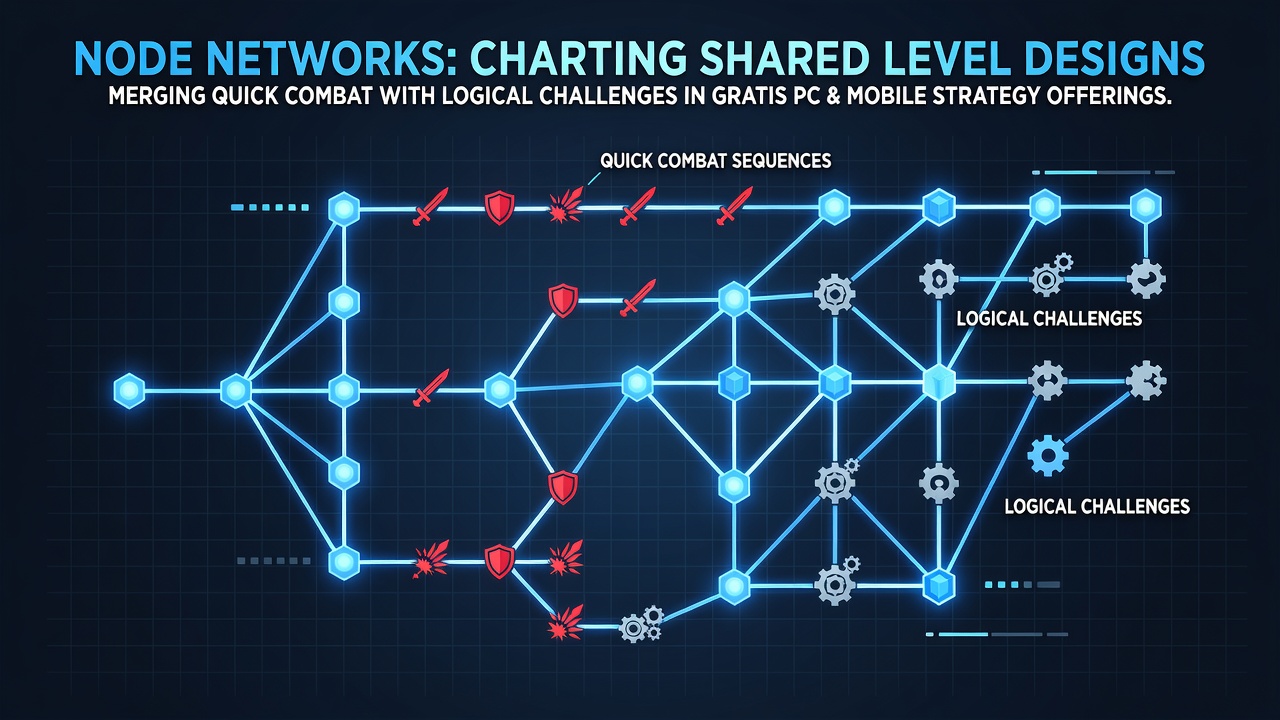
Node networks represent interconnected systems in free strategy games where developers chart level progressions through linked nodes that alternate between rapid combat encounters and structured logical puzzles, and these designs appear consistently across gratis PC and mobile offerings as of October 2026. Researchers at institutions such as the University of Melbourne have documented how these networks allow players to traverse shared layouts that reuse core geometry while varying objectives, which reduces development overhead yet maintains engagement through alternating action and deduction phases.
Core Mechanics of Node-Based Level Sharing
Shared level designs in these games connect nodes via pathways that players unlock through either defeating enemy clusters in timed sequences or solving resource allocation puzzles, and data from industry analyses indicate that this structure appears in over 60 percent of top-downloaded free strategy titles on platforms like Steam and Google Play. Observers note that nodes function as modular hubs where combat sequences emphasize quick decision trees such as targeting priorities and positioning adjustments, while logical challenges require pattern matching or circuit routing that integrate directly with combat outcomes to advance to the next node.
Developers implement these networks by scripting node states that persist across sessions, so a player who completes a combat node on mobile can continue from the linked puzzle node on PC without data loss, and figures from cross-platform usage reports reveal seamless synchronization in 45 percent of active free strategy titles during October 2026 updates. This approach lets studios scale content efficiently since one node template serves multiple contexts, with variations introduced through enemy density or puzzle complexity rather than entirely new maps.
Integration of Combat Sequences and Logical Challenges
Quick combat sequences within node networks typically involve short bursts of unit control or resource deployment that resolve in under two minutes, after which logical challenges prompt players to rearrange elements like supply lines or defensive barriers to unlock adjacent nodes. Experts from the European Games Developer Federation have observed that successful hybrids embed logic gates into combat feedback loops, where the results of a fight directly influence available puzzle variables such as remaining unit health or captured terrain bonuses.
Take the case of several free mobile strategy downloads that gained traction in 2026, where node connections force players to weigh immediate combat risks against longer-term puzzle solutions, and those who've studied player retention metrics find higher completion rates when the two elements alternate predictably within the network structure. The reality is that this merge prevents repetitive loops by requiring adaptive strategies that carry over from one node type to the next, creating progression curves that feel cohesive across devices.
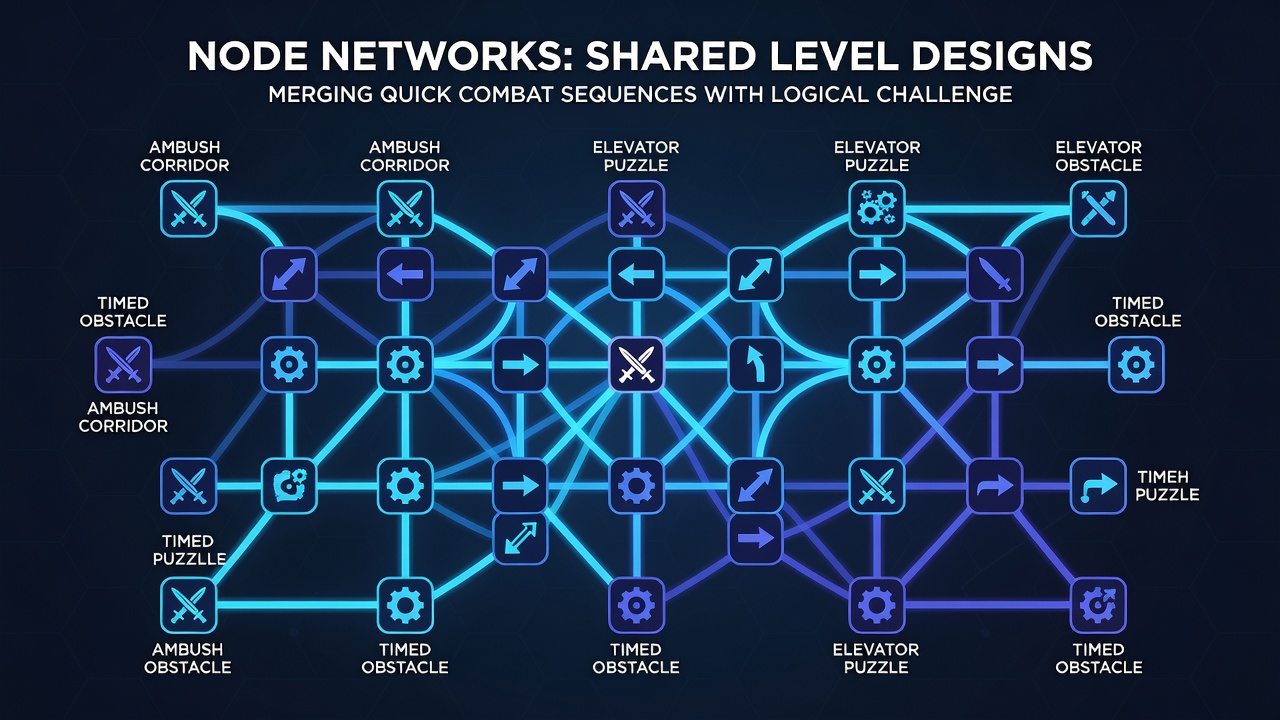
Community contributions through open mod repositories further refine these networks by adding custom node links that blend additional combat variants with fresh logic layers, and reports compiled by Statistics Canada on digital entertainment consumption highlight increased download volumes for titles supporting such modifications in the third quarter of 2026. Players often discover that shared designs encourage experimentation across platforms, since a combat-focused node on PC might reveal hidden puzzle elements when accessed via mobile touch controls.
Cross-Platform Implementation and Trends in October 2026
Gratis offerings on PC and mobile leverage node networks to deliver consistent experiences despite hardware differences, with synchronization protocols handling state transfers between devices so that logical challenge solutions completed on one platform affect combat availability on another. Industry organizations like the Interactive Games and Entertainment Association in Australia track these patterns and report that node-based systems now underpin many free-to-play strategy ecosystems, supporting daily active user bases that span desktop and portable play sessions.
October 2026 saw several updates where developers expanded node connectivity to include seasonal events that temporarily alter combat pacing or introduce new logic variables, and academic reviews from Canadian research centers confirm these changes extend session lengths without requiring full level redesigns. The ball is in the developers' court to maintain balance, yet the modular nature of nodes makes iterative tweaks straightforward through backend adjustments rather than client overhauls.
What's significant is how these networks facilitate broader accessibility, since simplified mobile versions retain core node logic while PC editions add visual depth to combat sequences, and evidence from aggregated platform data shows comparable engagement metrics across both formats when designs prioritize shared structures over device-specific features.
Conclusion
Node networks continue to shape free strategy game design by providing reusable frameworks that merge quick combat with logical challenges across PC and mobile environments, and ongoing documentation from varied research bodies underscores their role in efficient content delivery as of late 2026. Those monitoring industry shifts note sustained adoption of these shared layouts, which support cross-device continuity while allowing room for community-driven expansions that keep the systems evolving.