Behavioral Pattern Analysis: How Aggregated Player Data Influences Updates to Hybrid Genre Software on Desktop and Mobile Systems
Written by Sam Simmons · Oct 10, 2026
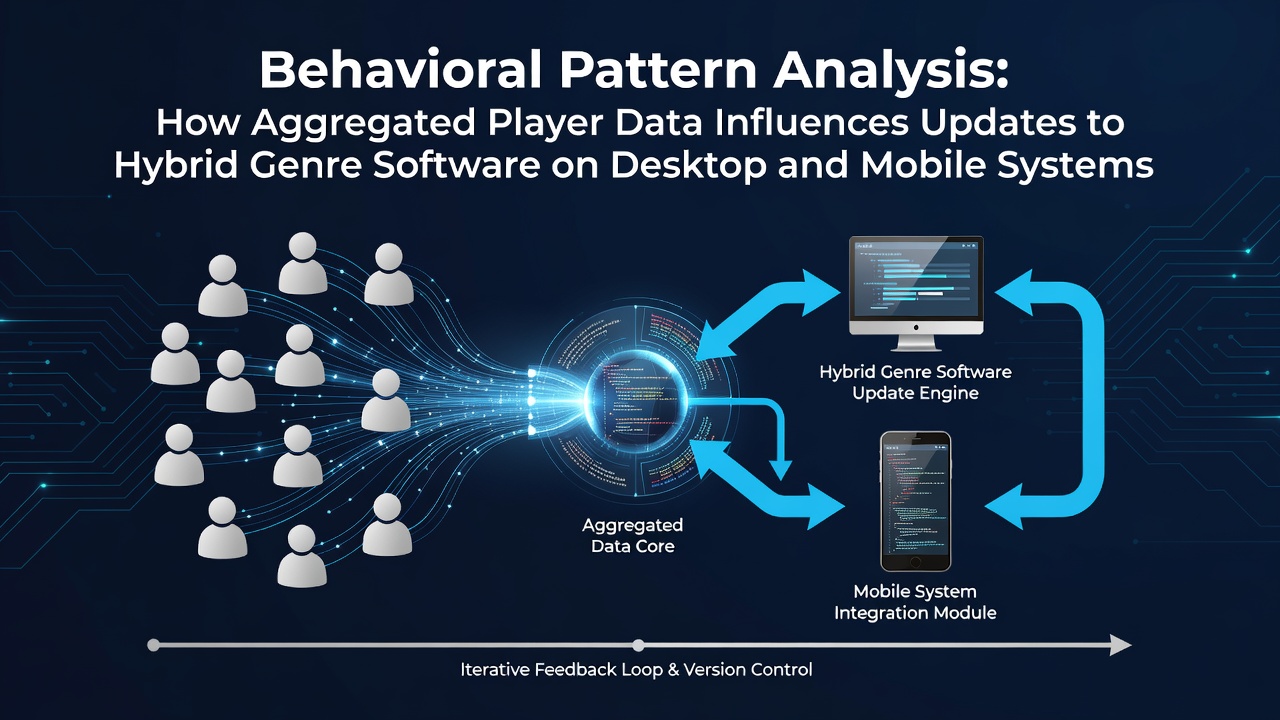
Behavioral Pattern Analysis: How Aggregated Player Data Influences Updates to Hybrid Genre Software on Desktop and Mobile Systems
Behavioral pattern analysis examines large sets of player interactions in hybrid genre software that combines action, puzzle, and strategy elements on desktop and mobile platforms, and developers use these insights to guide iterative updates that refine mechanics, balance systems, and extend engagement periods.
Data Aggregation Processes in Hybrid Titles
Developers collect telemetry from gameplay sessions that track metrics such as session duration, decision trees in puzzle segments, resource allocation choices during strategy phases, and reaction times in action sequences, then aggregate this information across thousands of users to identify recurring patterns without accessing individual identities. Research indicates that mobile devices generate higher volumes of short-session data while desktop systems produce longer continuous play logs, which allows teams to compare cross-platform behaviors and adjust difficulty curves accordingly. In October 2026, industry reports noted increased integration of anonymized location-based data from mobile users that revealed preferences for certain puzzle layouts during commute hours versus extended strategy campaigns on desktop machines at home.
Influence on Update Cycles
Pattern recognition tools process these datasets to highlight areas where players abandon sessions, such as overly complex strategy interfaces on smaller mobile screens or repetitive action loops that reduce puzzle variety on desktop versions, and this information drives targeted patches that introduce new hybrid mechanics. Observers note that when aggregated data shows frequent restarts at specific puzzle-strategy transition points, studios respond with streamlined tutorials or alternative paths that maintain core challenge levels while improving retention rates across both platforms. Studies from academic institutions have documented how such adjustments occur quarterly, with mobile updates often focusing on touch-optimized controls and desktop releases emphasizing expanded mod support derived from community interaction logs.
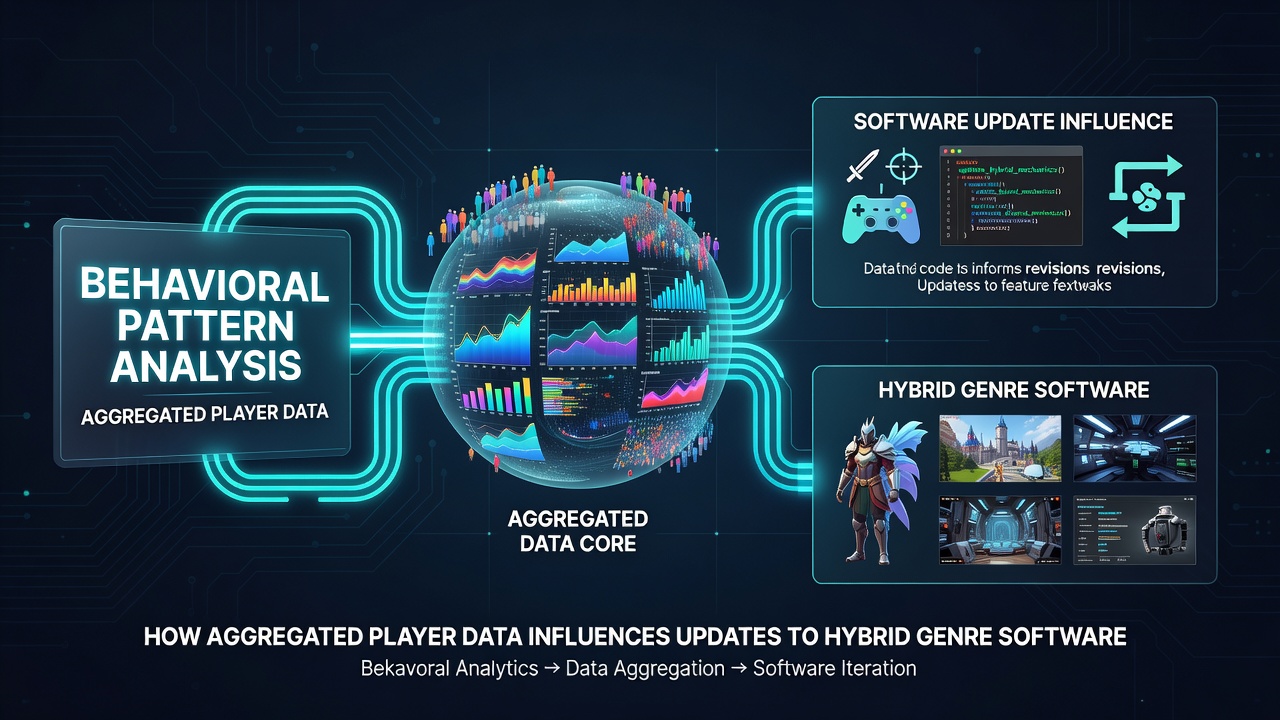
Cross-Platform Synchronization Challenges
Hybrid genre software must maintain consistent progression across desktop and mobile ecosystems, yet behavioral data frequently reveals divergences where mobile players favor quicker puzzle resolutions while desktop users engage deeper strategy layers, prompting synchronized updates that introduce shared features like cloud-saved hybrid campaigns. Engineers synchronize backend systems to apply findings from one platform to the other, and this process incorporates regulatory guidelines on data handling from bodies such as the Entertainment Software Association that emphasize transparent collection practices. Canadian regulatory frameworks further require clear consent mechanisms before telemetry aggregation begins, which influences how studios design their data pipelines for hybrid titles distributed through multiple storefronts.
Examples of Data-Driven Refinements
One documented case involved a hybrid title where aggregated logs indicated high dropout rates during action sequences that followed complex puzzle stages on mobile, leading developers to insert optional strategy shortcuts that preserved pacing and increased completion percentages by measurable margins in subsequent updates. Researchers at various universities have tracked similar interventions in freeware archives, noting that desktop communities often contribute modification suggestions derived from their extended play sessions that later appear in official mobile patches after pattern validation. These refinements typically roll out in coordinated waves, with October 2026 seeing several studios release simultaneous desktop and mobile versions that incorporated feedback loops from the prior six months of aggregated telemetry.
Regulatory and Ethical Considerations
Agencies in different regions enforce standards around anonymized data use in entertainment software, and the Interactive Software Federation of Europe has published guidelines that shape how studios in member states handle behavioral datasets from hybrid genre projects. Analysts observe that these rules encourage granular consent options and periodic audits, which in turn affect the granularity of updates derived from player patterns on desktop versus mobile hardware. Data protection requirements in Australia similarly stress secure storage of aggregated logs, ensuring that cross-platform synchronization does not compromise user privacy while still allowing meaningful improvements to gameplay flow.
Conclusion
Behavioral pattern analysis continues to shape the evolution of hybrid genre software by translating aggregated player interactions into concrete design decisions that address platform-specific strengths and limitations. As desktop and mobile ecosystems expand their interconnected features, the reliance on these data streams supports more responsive update schedules that align with observed behaviors across regions and hardware types.